Healing from Anxiety: A Psychiatric Prescriber’s Perspective on Treatment

By: Morgan Ward, APRN, PMHNP-BC, Psychiatric Prescriber – Mount North
Anxiety is one of the most prevalent mental health conditions encountered in practice and, with appropriate intervention, can be effectively managed. From a psychiatric prescriber’s perspective, treatment involves more than simply reducing symptoms. It focuses on helping individuals recognize how anxiety influences their thoughts, emotions, and physical health, while also building strategies that support long-term resilience, stability, and overall well-being.
Understanding Anxiety: More Than Just “Feeling Nervous”
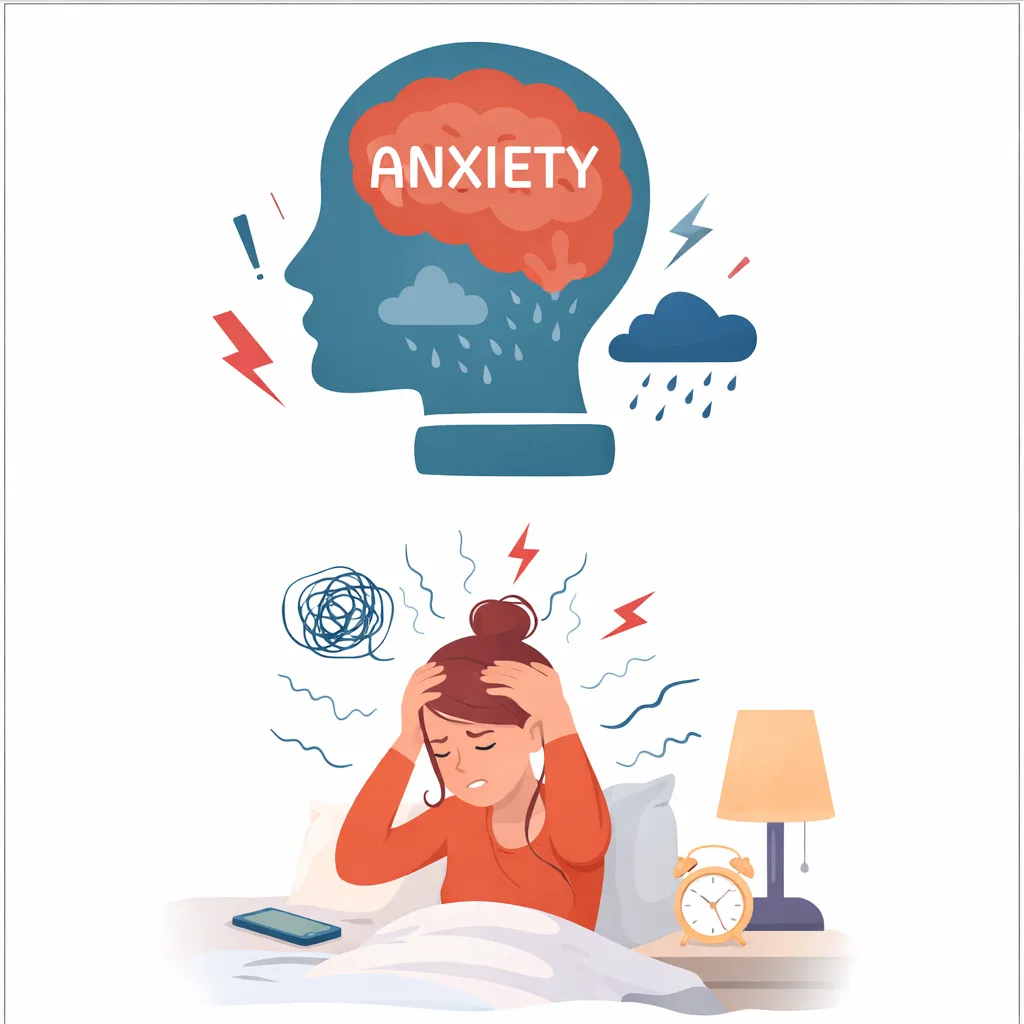
Anxiety extends beyond the typical nervousness experienced before events such as meetings or presentations. While occasional worry is a normal response to stress, clinical anxiety is characterized by its persistence, intensity, and disruptive impact. It can significantly impair cognitive processes, emotional regulation, and daily functioning, and it often presents with physical symptoms such as tension, restlessness, or sleep disturbances. Unlike situational anxiety, which subsides once the stressor resolves, clinical anxiety endures and interferes with multiple domains of an individual’s life.
Anxiety can present in a variety of ways, including:
- Excessive worry about daily life, even when there’s no clear reason
- Restlessness or irritability, feeling constantly on edge
- Sleep difficulties, including racing thoughts or early-morning waking
- Physical symptoms such as muscle tension, nausea, sweating, or a racing heart
- Avoidance behaviors to prevent triggering situations
- Fatigue and concentration difficulties
It’s important to know that anxiety disorders are real and diagnosable—rooted in both brain chemistry and life experience. They can be triggered or worsened by genetics, trauma, chronic stress, or unresolved emotional conflicts. And while anxiety may feel overwhelming, it is treatable, and relief is possible with the right approach.
The Prescriber’s Role in Treatment
As a psychiatric prescriber, my role is to evaluate, diagnose, and manage anxiety through a personalized approach. I focus on identifying the biological, emotional, and environmental factors contributing to anxiety and provide evidence-based treatment options to support long-term recovery.
The treatment process begins with a comprehensive intake conducted by a licensed clinician, during which the client shares detailed information about their history, symptoms, and concerns. This intake typically includes:
- Symptom history: Duration, severity, and impact on daily functioning
- Medical and psychiatric background: Previous diagnoses, treatments, medication trials, and relevant family history
- Screening for co-occurring conditions: Anxiety often overlaps with depression, ADHD, trauma, or substance use
- Physical health review: Medical issues like thyroid dysfunction, hormonal imbalances, or chronic pain
- Medication and supplement review: Certain medications, substances, or over-the-counter supplements may contribute to anxiety symptoms
- Environmental and lifestyle factors: Life transitions, unresolved grief, relationship stress, or burnout
The intake provides the foundation for the next step: a comprehensive evaluation with the psychiatric prescriber. During this evaluation, I review the client’s full mental, emotional, and physical health context to develop a personalized treatment plan. The prescriber’s process typically unfolds in several key areas, beginning with diagnosing and educating the client about their condition.
Diagnosing and Educating
After completing the prescriber evaluation, I provide a clear diagnosis and explain what it means. Education is a crucial part of treatment—many clients feel relief simply from understanding that their symptoms are part of a treatable condition. During this phase, I evaluate how anxiety impacts daily functioning, including work or school performance, relationships, and self-care routines. I explore personal triggers, thought patterns, and behavioral responses to identify what exacerbates symptoms. This step also involves collaborating with clients to establish realistic treatment goals, discussing the expected course of treatment, and outlining strategies for managing symptoms.
Medication Management
When anxiety symptoms are persistent, disruptive, or difficult to manage through behavioral strategies alone, medication can play a valuable role. My goal is to use medication thoughtfully and strategically—to reduce symptoms, support daily functioning, and create space for emotional growth and healing.
The medications most commonly used for long-term anxiety management are non-sedating, evidence-based options that help regulate the brain’s stress response over time:
- SSRIs (Selective Serotonin Reuptake Inhibitors): Examples include but are not limited to, sertraline (Zoloft), escitalopram (Lexapro), and fluoxetine (Prozac). Often considered first-line treatments, SSRIs help stabilize mood and reduce excessive worry or panic
- SNRIs (Serotonin-Norepinephrine Reuptake Inhibitors): Such as venlafaxine (Effexor XR) or duloxetine (Cymbalta), helpful for anxiety with associated physical symptoms like muscle tension or fatigue
- Buspirone: A non-sedating anti-anxiety medication, generally well-tolerated and not habit-forming
- Beta-blockers: Used situationally to manage physical symptoms of anxiety, such as tremors or a racing heart
These medications are taken daily and typically take a few weeks to reach full effectiveness. The goal is to reduce the intensity and frequency of anxiety symptoms over time—not to sedate or numb emotions. Throughout treatment, I monitor progress, manage any side effects, and make adjustments as needed, ensuring the plan remains individualized and effective.
Understanding Benzodiazepines
While the medications listed above are recommended for long-term management, benzodiazepines—once commonly prescribed—are no longer considered a preferred option due to associated risks. Benzodiazepines such as alprazolam (Xanax), lorazepam (Ativan), and clonazepam (Klonopin) were historically used for anxiety due to their fast-acting calming effects. However, research and clinical experience have shown significant risks when used beyond the short term, including:
- Physical dependence and tolerance
- Cognitive side effects, such as memory problems or drowsiness
- Rebound anxiety or withdrawal symptoms after stopping use
- Impaired coordination and increased risk of falls, particularly in older adults
Current best practices focus on treatments that support long-term stability and recovery, using non-sedating medications that gradually regulate the brain’s response to stress.
Natural Supplements
Some individuals may consider natural supplements as part of their anxiety management, either alongside medication or as an alternative when appropriate. Supplements with evidence of benefit include:
- Magnesium: Supports relaxation and may reduce physical tension by regulating nervous system activity
- L-theanine: An amino acid found in tea, which may promote calmness and improve focus
- Omega-3 fatty acids: Supports brain health, emotional regulation, and stress response
- Ashwagandha: An adaptogenic herb that may help reduce stress and anxiety symptoms over time
- Valerian root: Often used to promote relaxation and improve sleep quality
- Chamomile: Can have mild calming effects and support sleep
- Probiotics and gut health: Emerging research links gut-brain health to mood and anxiety regulation
Before beginning any supplements you should always always discuss this with your prescriber, as they may interact with medications or health conditions. Natural approaches are most effective when combined with behavioral strategies, lifestyle modifications, and consistent self-care practices, including sleep hygiene, physical activity, nutrition, and mindfulness techniques. A structured approach ensures supplements complement, rather than replace, comprehensive care.
Ongoing Monitoring and Collaborative Care
Treatment is an ongoing process. I work closely with clients to monitor response, adjust dosages, manage side effects, and ensure progress toward long-term goals. Every
individual is different, and the treatment plan is continuously tailored to meet evolving needs.
Anxiety treatment is most effective when care is integrated across disciplines. I collaborate with therapists who provide behavioral and emotional support, helping clients develop the skills and insight necessary to address the root causes of anxiety. I also coordinate with primary care providers or specialists when medical conditions contribute to symptoms. Open communication among providers ensures care is comprehensive, consistent, and aligned with the client’s goals.
With this holistic approach—combining evaluation, medication, natural supports, and collaboration—clients can rewire their nervous system and regain control. While some level of anxiety is natural and even helpful, debilitating anxiety does not have to be a lifelong condition. With the right support and effort, recovery is attainable.
The Goal: Confidence, Resilience, and Lasting Recovery
The primary objective of anxiety treatment is to support long-term emotional wellness and improved functioning. Effective care helps individuals understand the patterns contributing to their anxiety, strengthen coping abilities, and increase confidence in managing daily stressors. Treatment addresses both symptoms and underlying causes, using evidence-based strategies that promote stability, clarity, and self-efficacy. Through consistent support and collaboration, individuals can achieve meaningful progress and experience a renewed sense of control in their lives.
Recovery is not always immediate, but with a structured approach and the right tools in place, it is both realistic and attainable.
Final Thoughts: There Is a Path Forward
Anxiety can be challenging and overwhelming, but it is a treatable condition with a well-established path to recovery. As a psychiatric prescriber, my role extends beyond medication management to providing informed guidance and support throughout the
healing process. Effective treatment empowers individuals to regain emotional balance, improve daily functioning, and enhance overall quality of life.
If you or someone you know is experiencing anxiety, seeking professional evaluation and care can be a critical first step toward lasting wellness and resilience.
Related Posts